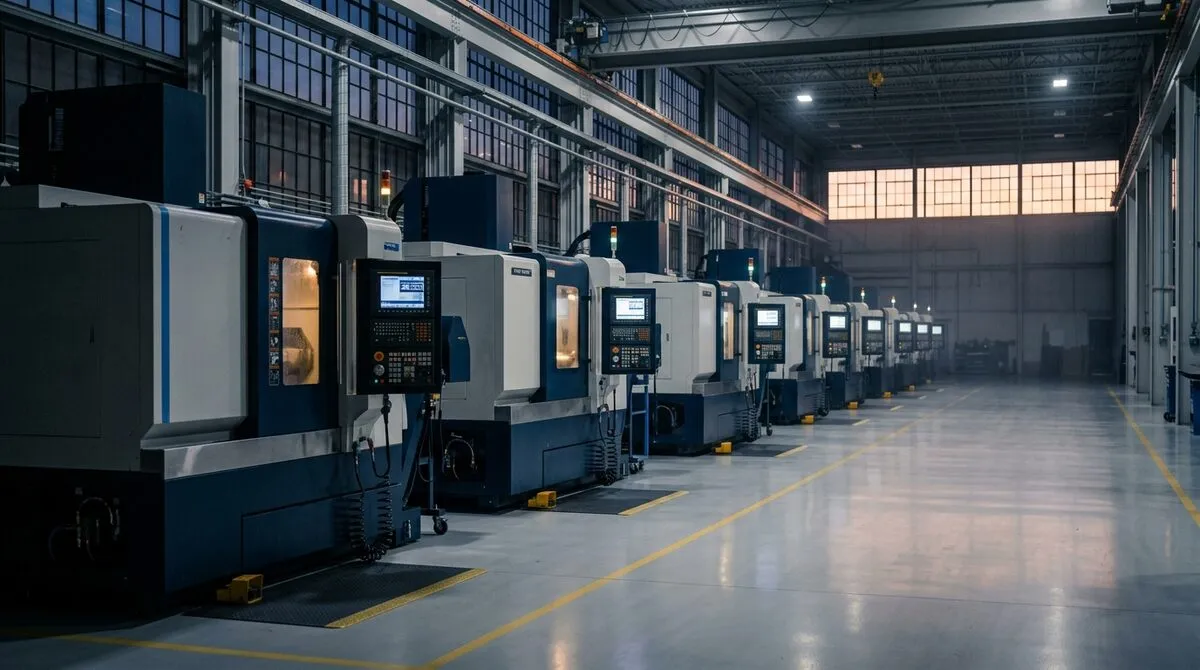
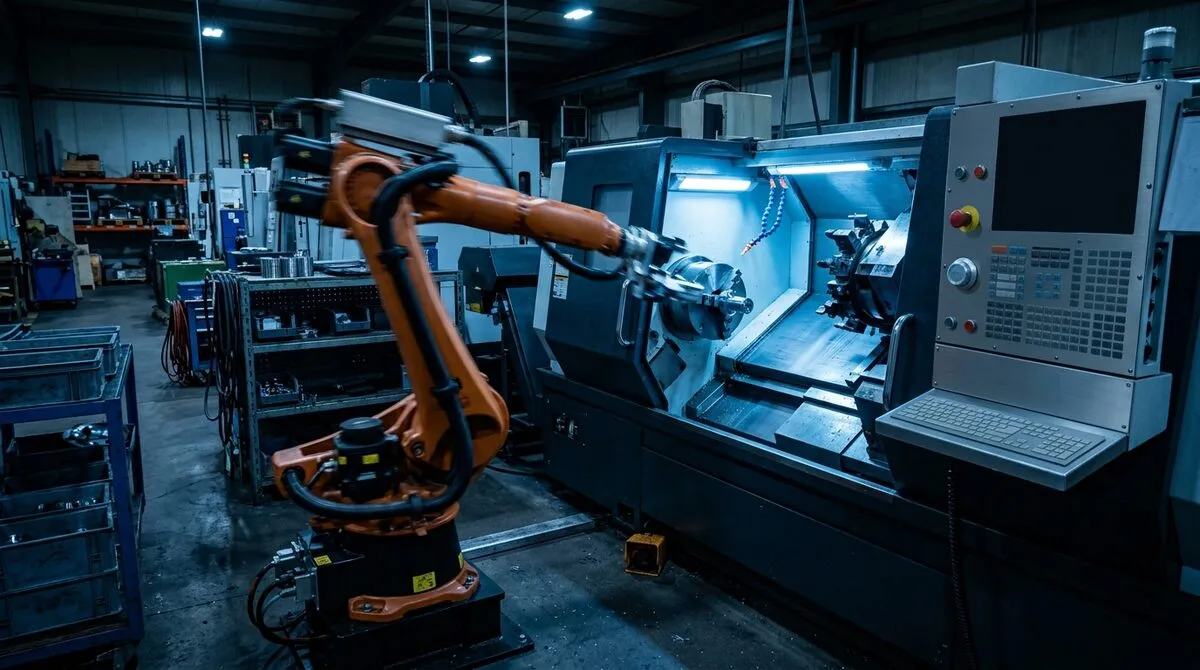
Faced with a persistent talent shortage heading into 2027, many manufacturers pin their hopes on automation: if robots and smart systems do more of the work, the labor gap should shrink. The reality is more complicated. In our view, automation doesn't eliminate the need for skilled people — it changes, and often raises, what's required. Understanding that paradox, and pairing it with flexible staffing strategies, is how we think forward-looking manufacturers are actually closing the gap.
Automation raises the skill bar, not lowers it
Advanced equipment still needs people to program, integrate, maintain, and troubleshoot it — and those are higher-skill jobs than the ones automation replaces. The BLS makes the point directly: employment of industrial machinery mechanics, maintenance workers, and millwrights is projected to grow 13% from 2024 to 2034, much faster than average, with about 54,200 openings each year, and it specifically attributes demand to the continued adoption of automated manufacturing machinery. In our reading, every new robot cell and smart line creates demand for the technicians who keep it running — which is why we see automation as a factor widening the technical talent gap rather than closing it, a dynamic rooted in the broader squeeze described in The 2027 Manufacturing Workforce Outlook: What to Expect and How to Prepare.
Build, buy, or borrow
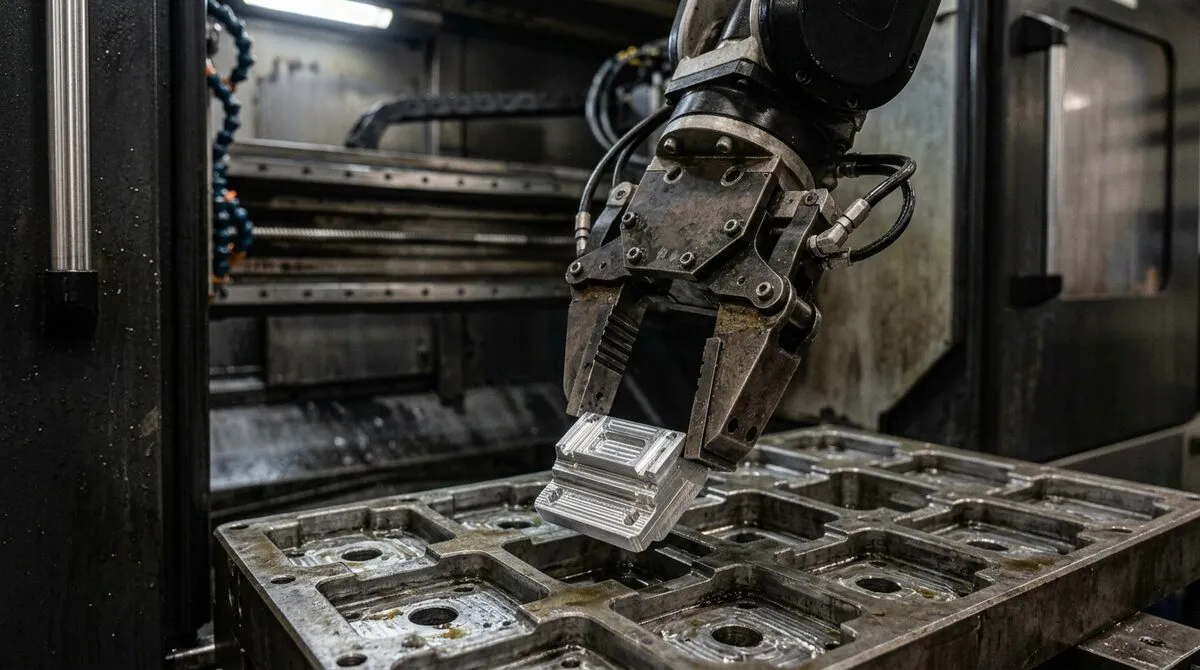
Because the talent problem won't solve itself, workforce strategy has become a competitive differentiator. Deloitte's 2026 Manufacturing Industry Outlook recommends a "build, buy, or borrow" framework for workforce planning: build core talent through training and investment; buy critical expertise through external recruiting; and borrow by hiring temporary workers or third parties to meet fluctuating demand. Deloitte notes that long lead times to hire and train make it hard for manufacturers to respond to rapid swings in labor needs. In our view, that's exactly where the "borrow" and "buy" levers become useful: flexible, on-demand access to vetted technical talent can let a manufacturer scale a team up for a project or a ramp without carrying the fixed cost and long timeline of building every role internally.
People stay at the center
Automation doesn't remove the human element — it repositions it. Deloitte's outlook estimates that more than 81% of task hours in manufacturing are expected to remain human-driven, and that uniquely human skills like problem-solving and adaptability stay essential even as AI reshapes the workplace. In our assessment, the technical roles that install, commission, and maintain automated systems — CNC field service engineers, automation and robotics specialists, controls technicians — become more valuable, not less, as this shift plays out. The retirement-driven scarcity of exactly these experienced people is detailed in The Skilled-Trades Gap: Why the Hardest Roles to Fill Are Getting Harder.
Where Exact Machine Service fits
Exact Machine Service is built for the "buy" and "borrow" side of that framework — and, we believe, well positioned for the automation era's talent needs. Exact staffs CNC and machine tool field service engineers who handle installation, commissioning, and troubleshooting; automation and robotics engineers who support system integration, programming, and long-term maintenance; and skilled trades who keep production moving. Since 2022, we've applied our two decades of machine tool industry experience to staffing for international OEMs, and manufacturers, delivering vetted professionals for short-term support or long-term stability. As automation raises the skill bar heading into 2027, we believe that flexible access to proven technical talent is how manufacturers keep their most advanced equipment productive.
Frequently Asked Questions
01Will automation solve the manufacturing labor shortage?
Not on its own, in our assessment. Automation shifts the type of labor needed toward higher-skill roles — programming, integration, and maintenance — and BLS projects strong growth for maintenance and mechanic roles specifically because of automation adoption.
02What is the "build, buy, or borrow" workforce framework?
It's a workforce-planning approach from Deloitte's 2026 Manufacturing Industry Outlook: build core talent through training, buy expertise through external recruiting, and borrow by using temporary workers or third-party staffing to meet fluctuating demand.
03Why do manufacturers use flexible or contract staffing?
Hiring and training take time that manufacturers often don't have when demand shifts quickly. Flexible staffing can provide faster access to vetted talent for projects, ramps, or coverage without the long timeline of building every role in-house.
04Which roles are most important as automation expands?
In our view, roles that install, commission, program, and maintain automated systems — CNC field service engineers, automation and robotics specialists, controls and maintenance technicians — grow more valuable as facilities adopt advanced equipment.
05Is manufacturing still a people-driven industry?
Yes. Deloitte estimates more than 81% of manufacturing task hours are expected to remain human-driven, and uniquely human skills like problem-solving and adaptability remain essential even as AI and automation expand.
Exact Machine Service
Founded in 2005, Exact Machine Service has spent two decades serving the machine tool industry. Since 2022, we've applied that industry experience to staffing CNC, automation, robotics, and skilled trades roles, connecting manufacturers with vetted, qualified talent ready to perform from day one.
Our Services Include:
- Technical Staffing Solutions — CNC field service engineers, automation specialists, machinists, and skilled trades professionals, screened and placed for short- or long-term needs
- Machine Tool Sales & Service — New and used CNC and manual machine tools, field repair, maintenance, and laser calibration
Ready to fill your open roles? Contact Exact Machine Service to discuss your staffing needs and get vetted technical candidates in front of you quickly.
Works Cited
- "2026 Manufacturing Industry Outlook." Deloitte Insights, Deloitte, 13 Nov. 2025, www.deloitte.com/us/en/insights/industry/manufacturing-industrial-products/manufacturing-industry-outlook.html. Accessed 29 July 2026.
- "Industrial Machinery Mechanics, Machinery Maintenance Workers, and Millwrights." Occupational Outlook Handbook, U.S. Bureau of Labor Statistics, www.bls.gov/ooh/installation-maintenance-and-repair/industrial-machinery-mechanics-and-maintenance-workers-and-millwrights.htm. Accessed 29 July 2026.