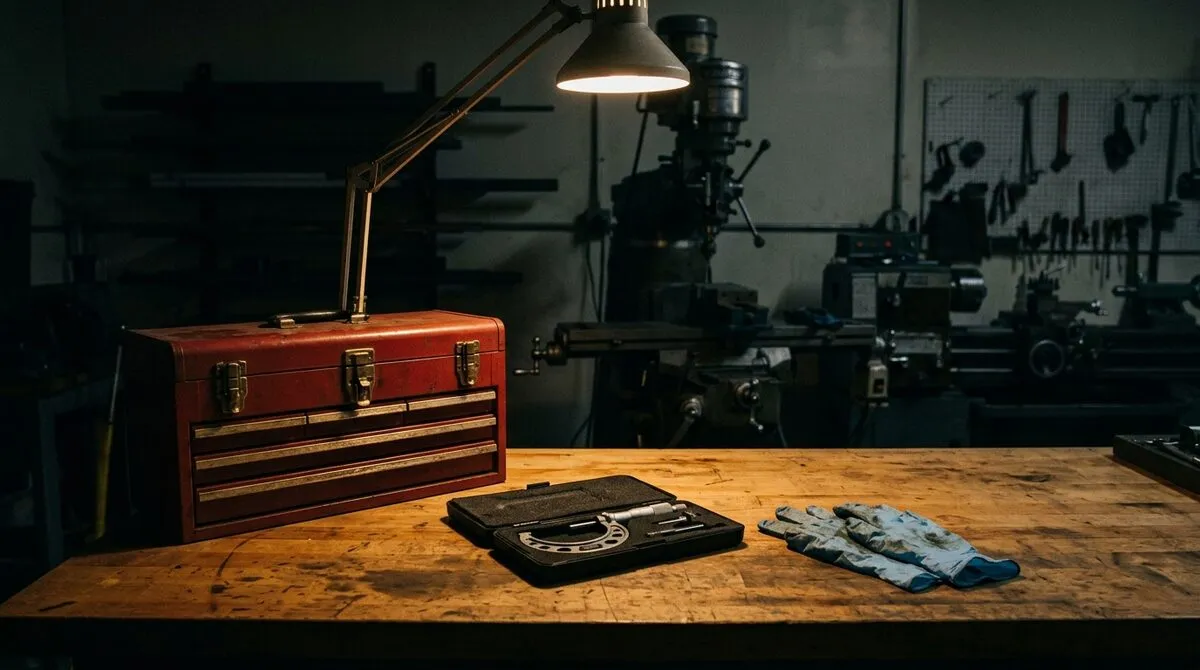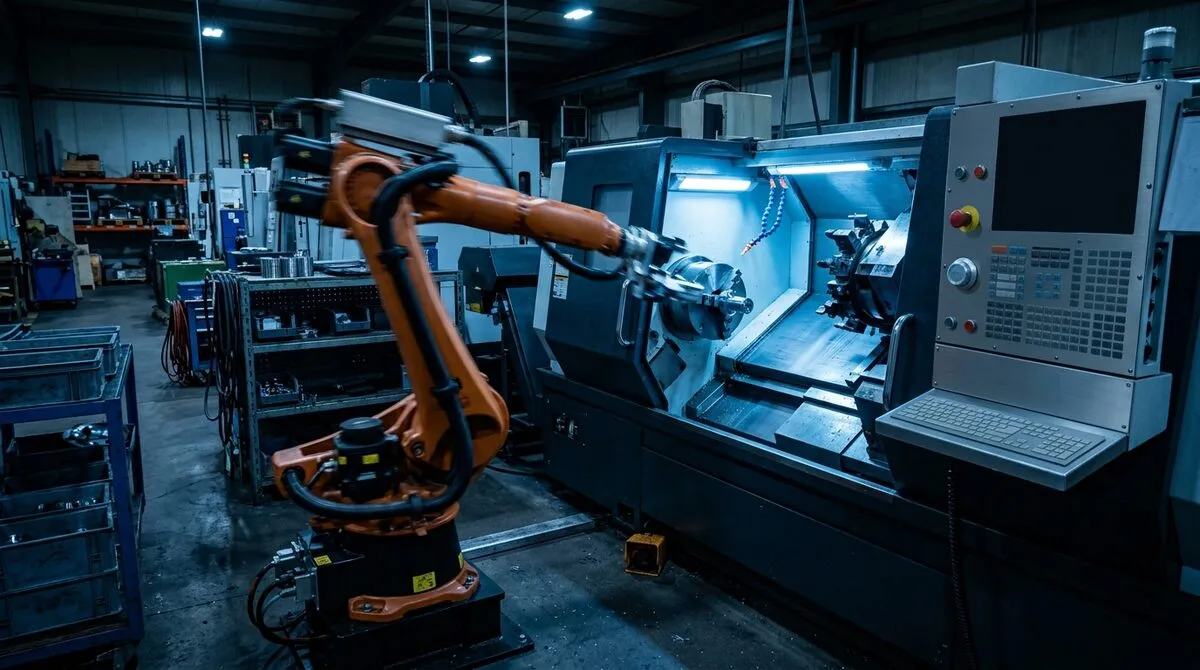
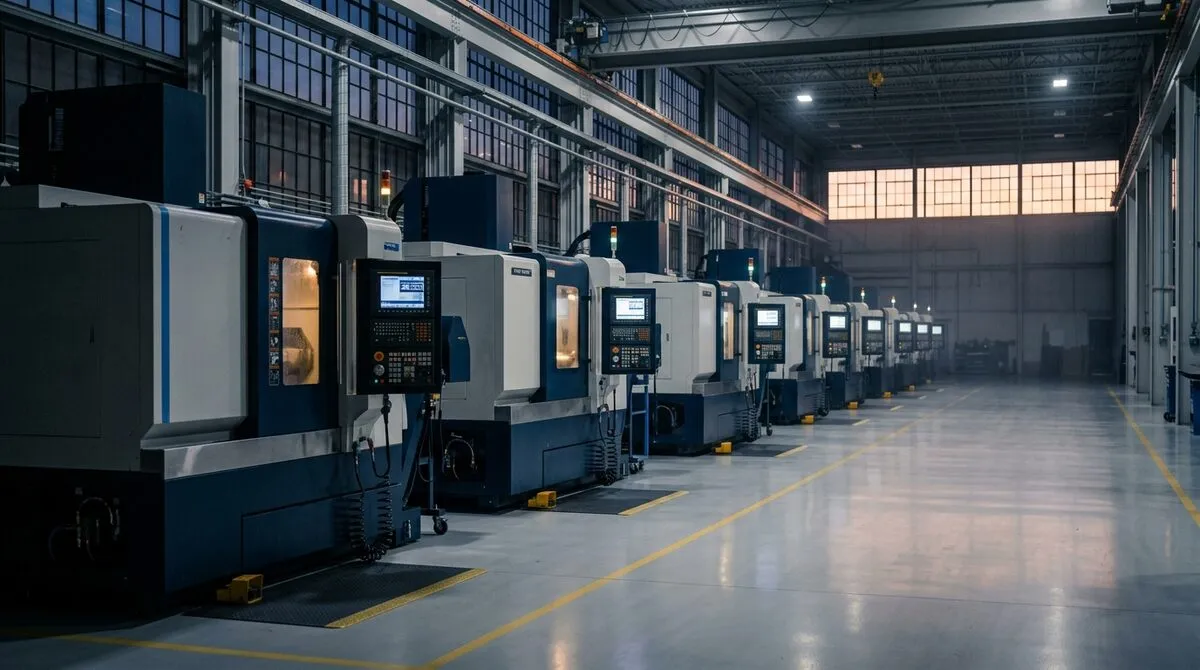
With 2026 drawing to a close, manufacturers are already making the hiring and capacity decisions that will define their 2027. The workforce picture heading into next year is a study in contrasts: demand for manufactured goods is firming, optimism is climbing, and investment is flowing into new equipment — while the supply of skilled technical workers to run it all stays tight. In our view, understanding what the data says about 2027, and planning around it now rather than reacting later, is what will separate the manufacturers who scale smoothly from those who stall waiting on talent.
The demand side is strengthening
The starting point for any 2027 workforce plan is that business conditions are improving. In the National Association of Manufacturers' Q1 2026 Outlook Survey, 75.3% of manufacturers reported a positive outlook for their own company — the first time the index topped its historical average since 2023 — with sales and production both projected to rise over the coming year. Rising output is good news, but it comes with a catch we think manufacturers should plan around: growth generally has to be staffed. Every additional shift, new line, or piece of equipment brought online in 2027 will likely need qualified people behind it — which is, in our assessment, where the outlook gets complicated.
The supply side won't keep pace
Demand for skilled workers is running into a supply that simply isn't expanding fast enough. According to the U.S. Bureau of Labor Statistics, about 34,200 openings for machinists and tool and die makers are projected each year through 2034 — and essentially all of them come from the need to replace workers who retire or leave the occupation, not from industry growth (overall employment in the occupation is actually projected to decline slightly over the same period). In our reading, that is the defining feature of the 2027 outlook: even where total headcount is flat or falling, the churn of experienced people exiting creates a constant need for trained replacements. The retirement-driven scarcity underneath that number is examined in The Skilled-Trades Gap: Why the Hardest Roles to Fill Are Getting Harder.
Three shifts shaping 2027 hiring

Three forces are set to influence the hiring environment next year, in our assessment. First, reshoring and domestic capacity expansion continue to add demand for skilled labor. Second, investment in automation and smart manufacturing keeps climbing — which, counterintuitively, may raise the skill bar rather than lower it, since advanced equipment needs higher-skilled people to program and maintain it. Third, the demographic clock keeps ticking as experienced workers retire. We'd argue that, individually, each shift would strain hiring; arriving together in 2027, they could compound. Why automation may widen rather than close the gap — and how to respond — is covered in Solving the 2027 Talent Gap: Flexible Staffing and the Automation Paradox.
How to prepare: plan, don't react
In our experience, the manufacturers best positioned for 2027 are treating workforce access as something to plan for, not scramble for. That means identifying the technical roles most critical to the year's production goals, mapping the realistic lead time to fill each one, and lining up flexible access to vetted talent before a vacancy becomes lost output. The alternative — posting a role only once someone leaves and then waiting months for the right candidate to surface — risks turning every departure into idle capacity. We believe that in a tight market, hiring speed and hiring quality can translate directly into throughput, which is why we recommend manufacturers use the remainder of 2026 to plan for how 2027's demand will be met.
Where Exact Machine Service fits
This is exactly the kind of forward planning Exact Machine Service supports. Since 2022, Exact has connected technical talent with the companies that build, maintain, and advance modern manufacturing — from CNC field service engineers to automation specialists and skilled tradespeople — building on two decades of machine tool industry experience to support international machine builders, production facilities, and federal government programs. Candidates are put through technical screening, reference checks, and compliance verification as part of our placement process. For manufacturers building their 2027 workforce plan, that vetted network of ready-to-work professionals is what turns a hiring forecast into people on the floor.
Frequently Asked Questions
01What does the 2027 manufacturing workforce outlook look like?
Demand is strengthening — manufacturer optimism reached 75.3% in NAM's Q1 2026 survey — while the supply of skilled workers stays tight, driven by retirements. In our view, the result is a year in which growth is possible but constrained by the availability of technical talent.
02Will manufacturing hiring increase in 2027?
Many manufacturers expect to grow output, which typically requires additional staffing. Even where overall employment is flat, hiring demand tends to stay high because of the ongoing need to replace retiring and departing workers.
03Why is skilled talent still scarce if employment is flat?
BLS projections show that virtually all annual openings for roles like machinists come from replacement — workers retiring or leaving — rather than growth; in fact, overall employment in the occupation is projected to decline slightly through 2034. The workforce is aging out faster than it's being replaced, which keeps demand for trained people elevated.
04How should manufacturers prepare for 2027 staffing needs?
Our recommendation: identify critical technical roles, map realistic hiring lead times, and line up flexible access to vetted talent before vacancies occur, rather than reacting after someone leaves.
05Which roles should manufacturers prioritize for 2027?
In our view, roles that directly gate production and are hardest to replace — machinists, CNC programmers, field service engineers, automation and robotics specialists, and maintenance technicians — deserve priority in any workforce plan.
Exact Machine Service
Founded in 2005, Exact Machine Service has spent two decades serving the machine tool industry. Since 2022, we've applied that industry experience to staffing CNC, automation, robotics, and skilled trades roles, connecting manufacturers with vetted, qualified talent ready to perform from day one.
Our Services Include:
- Technical Staffing Solutions — CNC field service engineers, automation specialists, machinists, and skilled trades professionals, screened and placed for short- or long-term needs
- Machine Tool Sales & Service — New and used CNC and manual machine tools, field repair, maintenance, and laser calibration
Ready to fill your open roles? Contact Exact Machine Service to discuss your staffing needs and get vetted technical candidates in front of you quickly.
Works Cited
- "2026 First Quarter Manufacturers' Outlook Survey." National Association of Manufacturers, 12 Mar. 2026, nam.org/2026-first-quarter-manufacturers-outlook-survey/. Accessed 29 July 2026.
- "Machinists and Tool and Die Makers." Occupational Outlook Handbook, U.S. Bureau of Labor Statistics, 28 Aug. 2025, www.bls.gov/ooh/production/machinists-and-tool-and-die-makers.htm. Accessed 29 July 2026.