Manufacturing downtime costs the average facility thousands of dollars per hour, making quick response times for machine tool repairs critical to maintaining profitability. When precision equipment fails, manufacturers face a crucial decision: transport the machine to a repair facility or bring expert technicians directly to their shop floor.
On-site machine tool repair services offer manufacturers a strategic advantage by eliminating transportation delays, reducing secondary damage risks, and keeping production schedules on track. This comprehensive approach to equipment maintenance represents a fundamental shift in how modern manufacturing facilities address critical repairs.
Understanding On-Site Machine Tool Repair Services
On-site machine tool repair involves bringing qualified technicians, specialized equipment, and replacement parts directly to the manufacturing facility where the equipment is located. This approach contrasts with traditional repair methods that require dismantling, transporting, and reassembling machines at external service centers.
The process typically begins with a diagnostic assessment performed on the factory floor. Technicians evaluate the problem using portable testing equipment, identify root causes, and develop repair strategies without removing the machine from its operational environment. This immediate response capability can mean the difference between hours of downtime versus days or weeks of production delays.
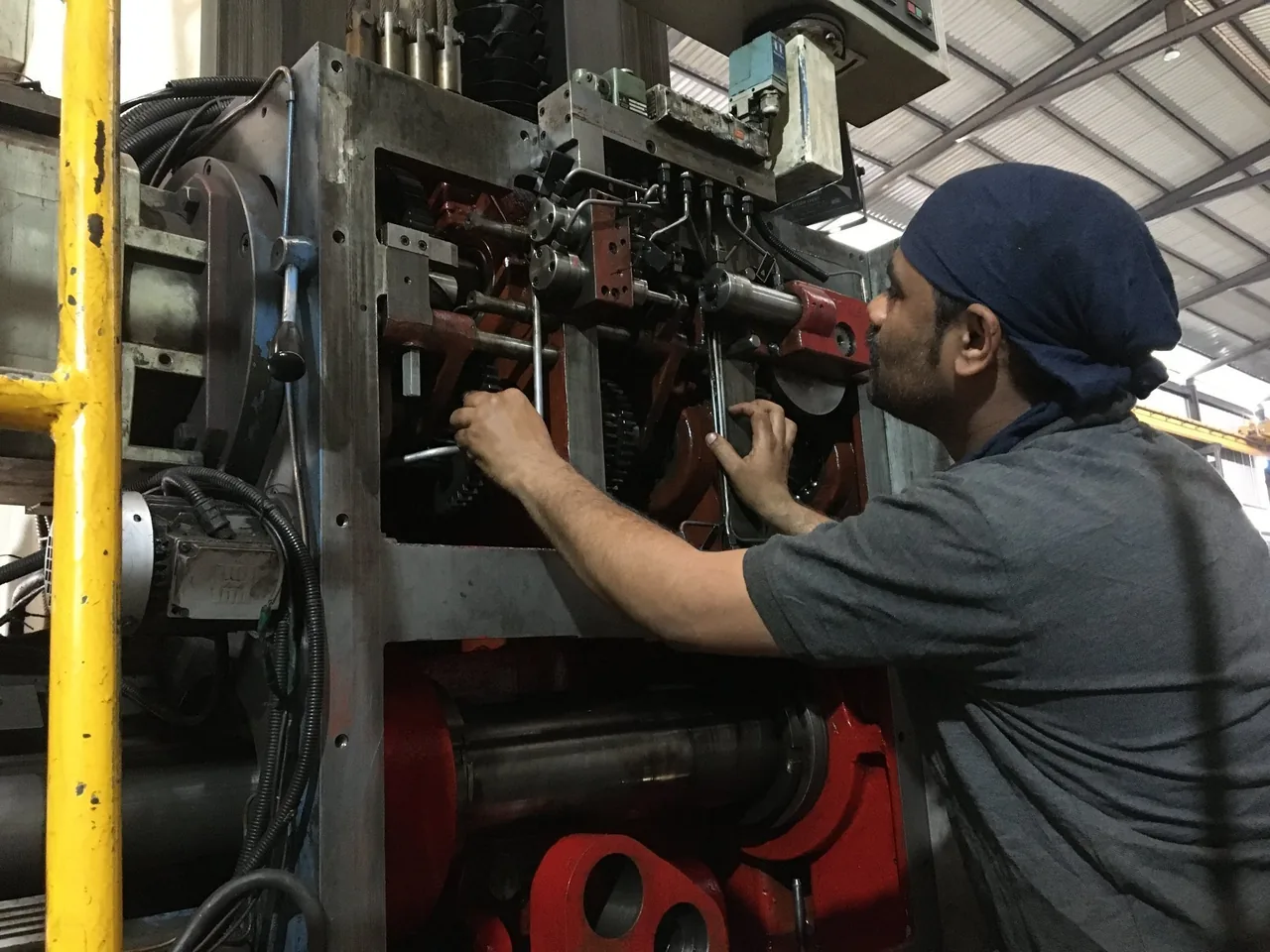
Modern on-site repair services encompass everything from routine maintenance to complex overhauls. Technicians arrive equipped with mobile workshops containing precision measuring instruments, replacement components, and specialized tools designed for field repairs. This comprehensive approach enables most repairs to be completed without removing equipment from the production line.
Cost-Effectiveness of On-Site Repairs
The financial benefits of on-site machine tool repair extend far beyond the immediate repair costs. Transportation expenses for large machine tools can easily reach thousands of dollars, particularly when specialized rigging equipment and permits are required for oversized loads.
Production downtime represents the largest hidden cost in traditional repair approaches. A single day of downtime for a critical production machine can cost manufacturers between $5,000 and $50,000, depending on the facility size and production volume. On-site repairs typically reduce downtime by 60-80% compared to shop-based repairs.
Labor costs often decrease with on-site repairs since facilities avoid the expense of dismantling and reassembling equipment. The process eliminates the need for internal maintenance staff to spend hours preparing machines for transport and reinstallation. This efficiency translates to lower overall repair costs even with potentially higher hourly technician rates.
Insurance and liability considerations favor on-site repairs. Transportation risks include potential damage during loading, transit, and unloading. On-site repairs eliminate these exposure points and reduce the likelihood of insurance claims related to equipment damage during transport.
Time Savings and Operational Continuity
Speed of response represents one of the most significant advantages of on-site machine tool repair services. Traditional repair approaches require scheduling equipment removal, arranging transportation, and waiting for shop availability at the repair facility. This process can add weeks to repair timelines before work even begins.
On-site technicians can often begin diagnostic work within 24-48 hours of initial contact. This rapid response capability proves particularly valuable for facilities operating just-in-time manufacturing processes or those with limited backup equipment. Quick turnaround times help maintain customer delivery commitments and preserve business relationships.
The ability to perform repairs during scheduled maintenance windows maximizes operational efficiency. Many on-site repairs can be completed during evenings, weekends, or planned downtime periods, minimizing impact on regular production schedules. This flexibility proves impossible with shop-based repairs that require extended equipment absence.
Continuity of operations extends beyond individual machine repairs. On-site services can address multiple machines during a single visit, coordinate repairs with production schedules, and provide temporary solutions to maintain limited production capability during extended repairs.
Equipment Safety and Risk Reduction
Transportation of heavy machine tools poses significant safety risks to both equipment and personnel. Large CNC machines, lathes, and milling centers can weigh several tons and require specialized rigging equipment for safe movement. Even minor transportation incidents can cause precision alignment issues that affect future performance.
On-site repairs eliminate transportation-related risks entirely. Machines remain in their calibrated positions, preserving precision alignments that might be disturbed during movement. This stability particularly benefits ultra-precision equipment where even slight movements can affect operational accuracy.
Environmental factors also favor on-site repairs. Manufacturing facilities typically maintain controlled environments with appropriate temperature, humidity, and cleanliness levels for precision equipment. Transporting machines exposes them to weather, road vibrations, and contamination that can complicate repairs or cause additional damage.
The risk of secondary damage during transportation often exceeds the original problem. Hydraulic systems may leak during transport, electrical connections can be damaged, and precision surfaces may suffer contamination. On-site repairs avoid these complications by maintaining equipment in its optimal environment.
Specialized Equipment Access and Expertise
Modern on-site repair services bring sophisticated diagnostic equipment directly to the manufacturing floor. Portable laser interferometers, vibration analyzers, and thermal imaging cameras enable comprehensive machine assessments without removing equipment from its operating position.
Technician expertise in on-site repairs often exceeds that available at general repair shops. Specialists who focus on field repairs develop unique skills in improvisation, problem-solving under constraints, and working within active manufacturing environments. This expertise proves invaluable when standard repair procedures must be adapted to field conditions.
Access to replacement parts represents another advantage of professional on-site services. Established repair companies maintain extensive parts inventories and can often source critical components more quickly than individual manufacturers. This supply chain advantage reduces repair delays and ensures compatibility with existing equipment.
The ability to perform precision calibration and testing on-site ensures that repaired equipment meets operational specifications before returning to production. This verification process eliminates the uncertainty often associated with equipment that has been removed and reinstalled.
Minimizing Production Disruption
Production scheduling flexibility represents a key benefit of on-site machine tool repairs. Manufacturers can coordinate repair activities with planned maintenance windows, shift changes, or low-demand periods to minimize operational impact.
The ability to perform partial repairs and temporary solutions keeps production running at reduced capacity rather than complete shutdown. This capability proves particularly valuable for high-volume operations where even limited production maintains cash flow and customer service levels.
Machine tool maintenance programs can be seamlessly integrated with on-site repair services to create comprehensive equipment management strategies. This integration enables predictive maintenance approaches that prevent unexpected failures and reduce emergency repair needs.
Coordination with production teams enables repairs to proceed with minimal disruption to workflow. On-site technicians can work around production schedules, access requirements, and safety protocols specific to each facility. This collaboration ensures that repair activities complement rather than conflict with operational needs.
Quality Control and Precision Standards
On-site repairs enable real-time quality verification using the same measurement standards and procedures employed in regular production. Machines can be tested with actual production parts to verify that repairs meet operational requirements before resuming full production.
Environmental consistency benefits precision repairs since temperature, vibration, and cleanliness levels remain constant throughout the repair process. This stability proves particularly important for equipment requiring tight tolerances or precision alignments.
The ability to perform incremental testing during repairs ensures that each step meets quality standards before proceeding. This approach reduces the risk of discovering problems after lengthy repair processes and enables immediate correction of any issues that arise.
Documentation and traceability improve with on-site repairs since technicians can photograph actual conditions, record measurements in the operational environment, and maintain detailed repair logs without interruption from transportation and setup activities.
Technology Integration and Modern Capabilities
Advanced diagnostic technologies enable on-site technicians to perform sophisticated assessments that rival or exceed shop-based capabilities. Portable coordinate measuring machines, laser alignment systems, and computer-based diagnostic tools bring laboratory-quality analysis to the factory floor.
Remote support capabilities allow on-site technicians to consult with specialists, access technical databases, and receive real-time guidance during complex repairs. This connectivity ensures that field repairs benefit from the full expertise of the service organization.
Digital documentation systems enable real-time reporting, photograph integration, and immediate access to repair histories. This technology improves communication with facility management and provides comprehensive records for maintenance planning and warranty purposes.
Predictive maintenance integration allows on-site repair services to identify potential problems before they cause failures. This capability transforms repair services from reactive responses to proactive maintenance programs that prevent downtime and extend equipment life.
Industry-Specific Applications
Aerospace manufacturing facilities require specialized precision equipment that demands exact calibration and cleanliness standards. On-site repairs maintain these critical environmental conditions and ensure that precision tolerances are preserved throughout the repair process.
Automotive production lines depend on synchronized equipment timing and precise coordination between multiple machines. On-site repairs can address individual machines without disrupting the entire production sequence or requiring extensive retiming procedures.
Medical device manufacturing operates under strict quality control requirements that make equipment removal complicated and time-consuming. On-site repairs maintain traceability and control documentation while ensuring that production capability remains available for critical products.
Energy sector applications often involve remote locations where transportation of heavy equipment proves logistically challenging and expensive. On-site repair services provide access to expert technicians and specialized equipment in locations where shop-based repairs would be impractical.
Regulatory Compliance and Documentation
Manufacturing facilities operating under ISO certification, FDA approval, or other regulatory frameworks require detailed documentation of all equipment modifications and repairs. On-site services can maintain these documentation requirements while preserving operational compliance.
Environmental regulations may restrict the transportation of equipment that has been exposed to certain materials or processes. On-site repairs eliminate potential regulatory complications associated with moving contaminated equipment through public areas.
Safety regulations specific to manufacturing environments can be maintained throughout the repair process since equipment remains in its approved operational location. This continuity simplifies compliance documentation and reduces regulatory review requirements.
Quality system requirements for change control and validation can be more easily maintained when equipment remains in its qualified operational state. On-site repairs preserve the validation status of manufacturing systems and reduce the documentation burden associated with equipment reinstallation.
Selecting the Right On-Site Service Provider
Experience with specific equipment types and manufacturing environments proves critical when selecting on-site repair services. Providers should demonstrate expertise with the particular machines, processes, and industry requirements relevant to each facility.
Response time commitments and service level agreements ensure that emergency repairs receive appropriate priority. Service providers should offer guaranteed response times for critical equipment and maintain sufficient technician availability to meet emergency demands.
Parts availability and supply chain capabilities directly impact repair timelines and costs. Established service providers maintain extensive inventories and supplier relationships that enable quick access to replacement components.
Certification and training credentials ensure that technicians possess the specialized knowledge required for precision equipment repairs. Providers should maintain ongoing training programs and industry certifications relevant to the equipment they service.
Comprehensive machine tool services should include preventive maintenance, emergency repairs, and performance optimization to provide complete equipment management solutions.
Planning for On-Site Repairs
Facility preparation requirements vary depending on the type of repair and equipment involved. Manufacturing facilities should understand access requirements, utility needs, and safety considerations before scheduling on-site repair services.
Scheduling coordination between production teams, maintenance staff, and repair technicians ensures that repair activities proceed efficiently without unnecessary delays or conflicts. Clear communication protocols help all parties understand timing, requirements, and expectations.
Budget planning for on-site repairs should consider both immediate repair costs and long-term operational benefits. The higher hourly rates often associated with on-site services are typically offset by reduced downtime costs and elimination of transportation expenses.
Documentation requirements and quality system integration should be established before repair services begin. Facilities should understand what records will be provided and how repair documentation will integrate with existing maintenance management systems.
Contact Exact Machine Service for Professional On-Site Repairs
Manufacturing facilities requiring immediate response to equipment failures cannot afford to wait for traditional shop-based repair timelines. Schedule your consultation today to learn how professional on-site machine tool repair services can minimize downtime, reduce costs, and maintain production schedules during critical equipment repairs.
Industry Standards and Compliance Resources
Manufacturing facilities benefit from staying current with industry standards and regulatory requirements that impact equipment maintenance and repair procedures. The Occupational Safety and Health Administration (OSHA) provides comprehensive guidelines for workplace safety during equipment maintenance and repair activities, including lockout/tagout procedures and confined space entry requirements. The National Institute for Occupational Safety and Health (NIOSH) offers research-based recommendations for safe work practices and equipment design standards that help prevent workplace injuries during maintenance operations.
Frequently Asked Questions
How quickly can on-site machine tool repair technicians respond to emergency calls? Most professional on-site repair services offer 24-48 hour response times for emergency calls, with some providing same-day service for critical situations. Response times depend on technician availability, geographic location, and the specific nature of the repair required. Emergency services typically cost more than scheduled maintenance but provide significant value when production downtime costs exceed the premium charges. Many service providers maintain regional technician networks to minimize travel time and improve response capabilities.
What types of machine tool repairs can be performed on-site versus those requiring shop facilities? On-site repairs can address most common machine tool problems including electrical issues, hydraulic system repairs, control system programming, precision calibration, and component replacement. Complex repairs requiring heavy machining, major structural modifications, or specialized equipment like large ovens may still require shop facilities. Modern portable equipment enables most precision measurement and calibration work to be performed on-site. The determining factor is usually whether the repair requires equipment or capabilities that cannot be practically transported to the customer location.
How do on-site repair costs compare to traditional shop-based repair services? On-site repair hourly rates are typically 20-40% higher than shop-based services, but total project costs are often lower due to eliminated transportation expenses and reduced downtime. Transportation costs for large machine tools can range from $2,000 to $10,000 depending on size and distance. The most significant savings come from avoided production downtime, which can cost manufacturers $5,000 to $50,000 per day for critical equipment. When all factors are considered, on-site repairs frequently provide better overall value despite higher hourly rates.
What equipment and capabilities do on-site repair technicians bring to manufacturing facilities? Professional on-site repair teams arrive with mobile workshops containing precision measuring instruments, diagnostic equipment, replacement parts inventories, and specialized tools. Common equipment includes portable coordinate measuring machines, laser interferometers, vibration analyzers, hydraulic test stands, and electrical diagnostic tools. Technicians also bring access to remote support systems, technical databases, and specialist consultation capabilities. The goal is to replicate shop-based repair capabilities in the field environment while maintaining the same quality and precision standards.
How can manufacturers prepare their facilities for on-site machine tool repairs? Facility preparation involves ensuring adequate access for technicians and equipment, providing necessary utilities like compressed air and electrical power, and coordinating with production schedules to minimize disruption. Safety requirements must be communicated including lockout/tagout procedures, confined space protocols, and hazardous material considerations. Clear workspace around the affected equipment should be maintained, and any special environmental requirements like temperature or cleanliness standards should be established. Communication protocols between facility staff and repair technicians help ensure efficient coordination throughout the repair process.