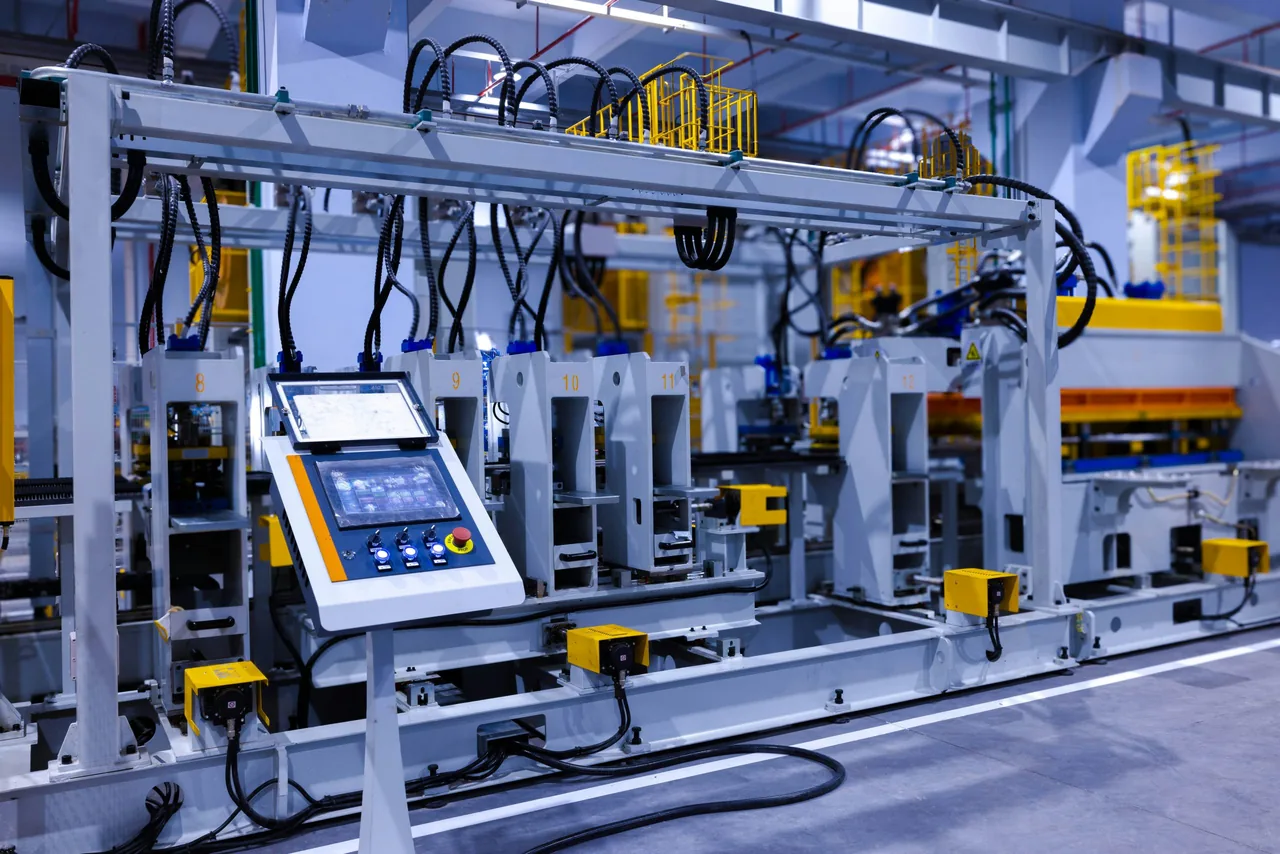
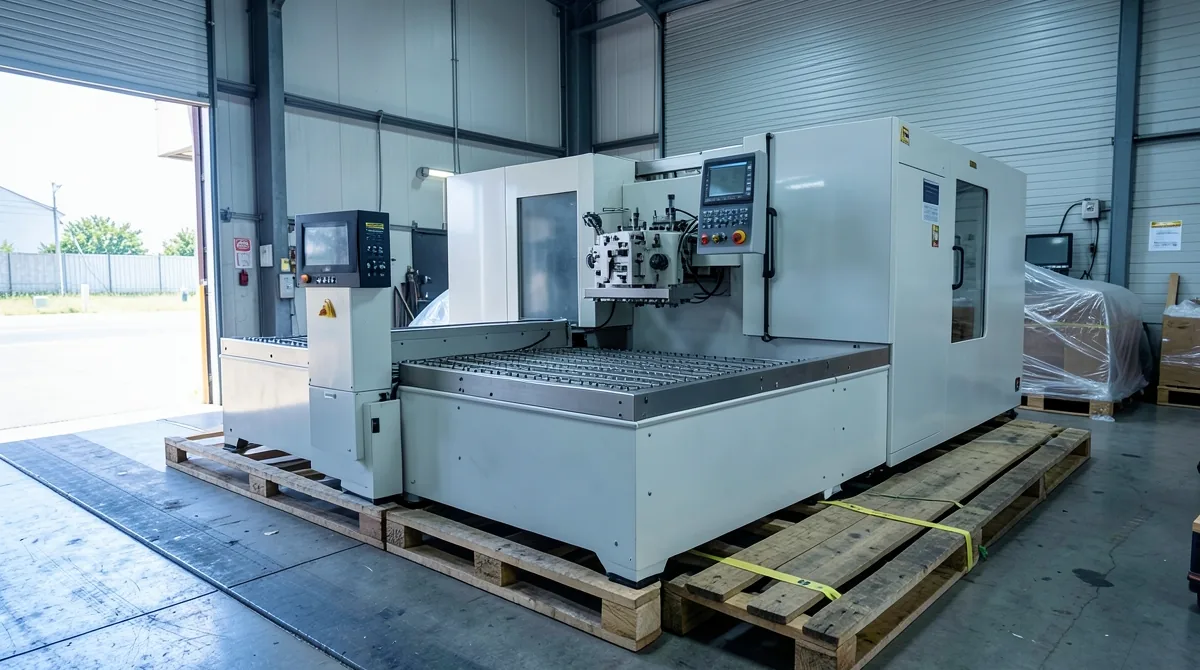
American manufacturers spent more on metalworking machinery in the first half of 2026 than in any half-year on record. AMT’s U.S. Manufacturing Technology Orders report put first-half order value at $3.44 billion, a 36 percent jump over the first half of 2025. That makes it the strongest half-year for metalworking machinery order value since USMTO began collecting data in 1998.
Machine tool orders in 2026 carry a second story underneath that headline. Unit counts did not follow the dollars. AMT reported that the number of machines ordered in the first half ran 2.6 percent below the second half of 2025.
Order value got bigger. Fleet count got smaller. Spending more on fewer machines points toward higher-content equipment. For anyone planning maintenance or capacity, that shift matters more than the record itself. Aerospace led the half, ordering the most machinery on record in both value and units.
Backlogs are where the gap shows up
A new order is future iron, not iron on the floor. Census Bureau figures show the lag. In the May 2026 advance report on durable goods, published June 25, machinery unfilled orders reached $150.7 billion, 4.5 percent above May 2025. Durable goods backlogs had climbed in 22 of the last 23 months.
Longer backlogs mean longer waits. A shop that signed for a machining center this spring is likely still cutting parts on the machine it ordered to replace. Because delivery dates keep sliding, that shop is running a rebuild-or-replace calculation it did not plan on running. We take that decision apart in a separate piece on rebuilding, retrofitting, or replacing an aging CNC machine.
Lead times push demand sideways
When new delivery dates stretch, some of that demand moves rather than disappears. Buyers who need capacity this quarter look harder at used conventional and CNC equipment, or at getting more out of iron they already own. Both routes trade a known lead time for a different question: what condition the machine is actually in. Inspection carries more weight in a market like this one. A photo and an hour meter tell you less than a machine somebody walked, measured, and ran under power.
Buying fewer machines concentrates risk
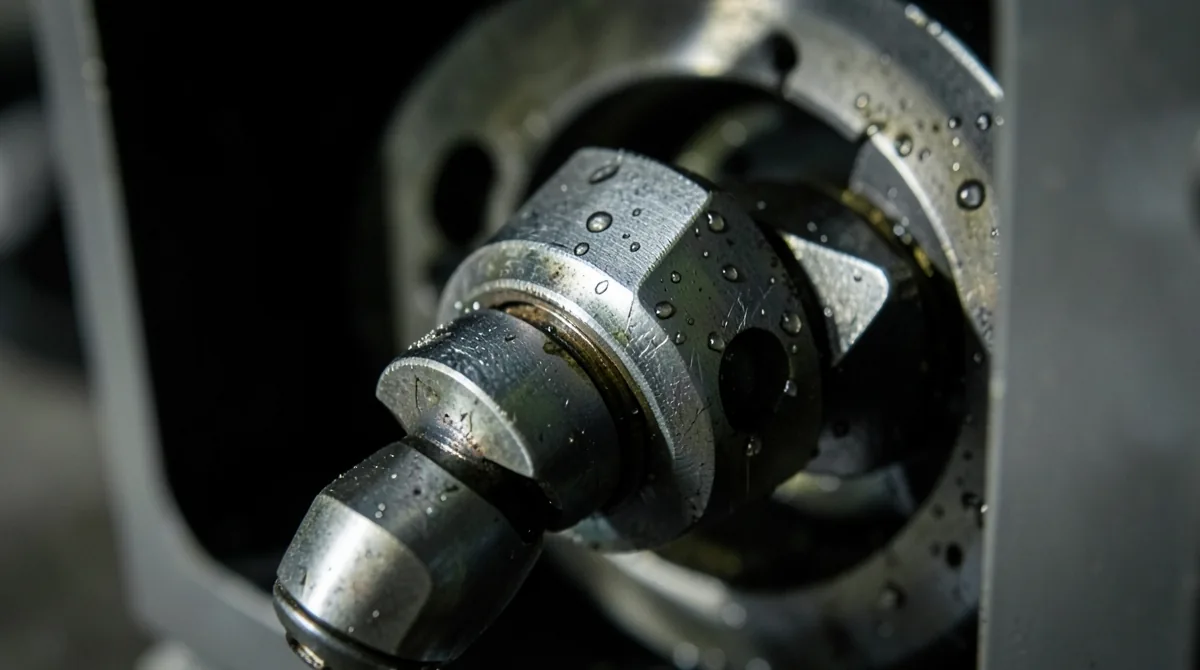
Robotic load, a pallet pool, and in-process probing concentrate failure points into one machine. That machine also carries more of the schedule. One fault stops a larger share of the shop.
The case for the automated cell is still strong. Fewer setups, longer unattended runs, and steadier cycle times are why shops specify it. The tradeoff is that the maintenance plan has to improve at the same rate the machine gets more capable.
Shops moving toward that pattern tend to rethink maintenance. Calibration intervals, spare parts planning, and condition checks move from afterthought to line item. Laser alignment and ballbar testing get scheduled in advance rather than called in after a scrap run.
The installed base is doing the work
Capacity data shows how much weight the existing fleet carries. The Federal Reserve put manufacturing capacity utilization at 76.0 percent in July 2026. That sits 2.2 percentage points below its long-run 1972 to 2025 average. Business equipment production, on the other hand, ran 6.6 percent above its year-earlier level.
Output is climbing on equipment that has been in service for years. Every month a replacement machine sits on order is another month the current machine has to hold tolerance. Spindle bearings, ball screws, way surfaces, and aging controls absorb that pressure first.
The labor side compounds it
A machine kept in service longer needs somebody who knows how to bring it back toward spec. Who does that work, and how many are left, the order data does not answer. A quoted lead time on a qualified technician has started to matter alongside the quoted lead time on a machine. We take that up separately in our piece on the machine tool technician shortage.
Reading the 2026 numbers for your own floor
Oxford Economics forecast a 1.5 percent rise in second-half orders at AMT’s Summer Economic Forum. That would bring the year to nearly $7 billion. Three questions fall out of the data:
- What is the delivery date on anything already ordered, and what runs until it arrives?
- Which machines have quietly become single points of failure for a customer program?
- Who inspects, aligns, and repairs those machines, and how far out are they booked?
Record order value is good news for the industry. For a plant manager, though, it mostly means the machines already bolted to your floor matter more in 2026 than they did in 2024.
Where Exact Machine Service Sits in This Market
Exact Machine Service sells new and used machine tools out of York, Pennsylvania, and services what it sells. When a delivery date slips, the same people who quoted the new machine can look at what the used market holds.
Two places to look:
- New Machine Tools — New CNC and manual machine tools across milling, turning, grinding, cutting, drilling, and fabricating, with installation and support offered
- Used Machine Tools — A changing inventory of used conventional and CNC machine tools, including CNC lathes, CNC mills, knee mills, grinders, and saws
Working around a lead time? Tell us what you have on order and what has to keep running until it lands.
Works Cited
- AMT — The Association For Manufacturing Technology. “U.S. Manufacturing Technology Orders Report, June 2026.” AMT, 10 Aug. 2026.
- United States, Board of Governors of the Federal Reserve System. “Industrial Production and Capacity Utilization — G.17.” Federal Reserve, 18 Aug. 2026.
- United States, Census Bureau. “Monthly Advance Report on Durable Goods Manufacturers’ Shipments, Inventories and Orders, May 2026.” U.S. Department of Commerce, 25 June 2026.