
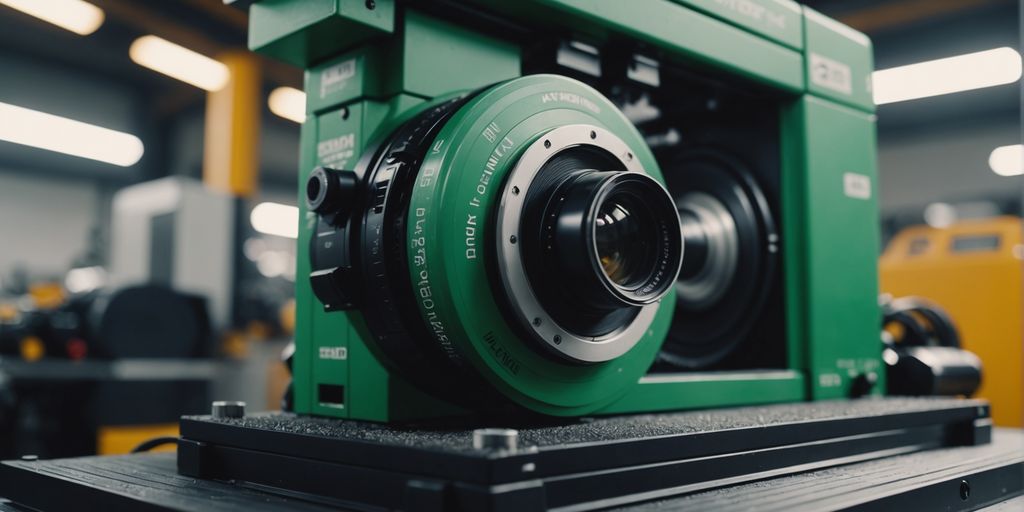
Sustainable practices in machine maintenance and refurbishment are becoming more important as we strive to protect our planet. By reusing and recycling materials, we can lower waste and reduce the need for new resources. These practices not only help the environment but also save money and improve the reliability of machines. In this article, we will explore various eco-friendly methods and strategies that can be applied to machine maintenance and refurbishment.
Key Takeaways
- Using recycled materials in refurbishment helps reduce environmental impact.
- Automated refurbishment techniques make the process faster and more efficient.
- Thorough inspections and quality assurance ensure high performance and reliability of refurbished machines.
- Proper management of spare parts inventory supports sustainable practices.
- Choosing refurbished equipment is cost-effective and environmentally friendly.
Eco-Friendly Practices in the Refurbishment Process
Refurbishing equipment is a key part of sustainable practices. It helps extend the lifecycle of machines, preventing them from ending up in landfills too soon. This aligns with the principles of the circular economy, which focuses on reusing and recycling products to minimize waste.
Automated Refurbishment Techniques
Automated techniques in refurbishment can significantly reduce the environmental impact. These methods ensure precision and efficiency, leading to less waste and better use of resources. Using automated systems also helps in maintaining consistent quality, which is crucial for the longevity of refurbished equipment.
Spare Parts Inventory Management
Effective management of spare parts inventory is essential for eco-friendly refurbishment. By reusing parts harvested from other machines, we can minimize product waste and optimize costs. This approach is not only cost-effective but also reduces the need for manufacturing new parts, leading to fewer CO2 emissions and less mining of raw materials.
OEM Accreditations for Genuine Parts
Using genuine parts accredited by Original Equipment Manufacturers (OEM) ensures the reliability and performance of refurbished machines. OEM accreditations guarantee that the parts meet specific standards, which is vital for the safety and efficiency of the equipment. This practice also supports the use of sustainable materials, further contributing to positive environmental impact.
Thorough Inspection and Quality Assurance
The refurbishment process starts with a detailed inspection of the used equipment. Skilled technicians assess each machine to find any issues or parts that need replacement. This careful evaluation ensures that only the highest quality machines are refurbished, reducing the likelihood of future failures and extending the equipment’s lifespan.
Use of Recycled and Sustainable Materials
Incorporating recycled and sustainable materials into machine maintenance and refurbishment is crucial for environmental conservation. This practice helps reduce waste and conserves natural resources. By using recycled components, we can significantly lower the demand for new raw materials, which in turn reduces the environmental impact of mining and manufacturing processes. This approach aligns with the principles of the circular economy, which emphasizes reusing and recycling products to minimize waste.
Elements of Sustainable Maintenance Practices
Sustainable maintenance practices are essential for the longevity and efficiency of machinery. Company management needs to understand and develop an appropriate strategy to achieve sustainable development by applying maintenance performance measurements. These practices not only ensure the optimal functioning of equipment but also contribute to environmental conservation and cost savings.
Good Refurbishment Practice
Refurbishment is a systematic process that brings used equipment back to its original condition or even better. This practice offers significant benefits from both environmental and social perspectives. Beyond these important environmental benefits, refurbishing used equipment helps build a strong and sustainable economy, especially in countries with established frameworks for processing advanced equipment.
Sustainability Aspects of Choosing Refurbished Equipment
Investing in refurbished or remanufactured equipment can be a more sustainable alternative to purchasing new machines. This section explores the environmental and economic benefits of choosing refurbished equipment, including reduced resource consumption, lower carbon footprint, and extended machine lifespan, making it a more eco-friendly option for businesses.
Environmental Benefits
Opting for refurbished equipment helps conserve natural resources. By extending the lifecycle of existing machines, we prevent them from ending up in landfills prematurely. This practice aligns with the principles of the circular economy, which emphasizes reusing and recycling products to minimize waste. Refurbished electronics encourage a shift towards more sustainable consumption patterns. They offer a viable alternative to buying new, allowing us to enjoy the benefits of modern technology without the environmental cost.
Cost-Effectiveness
Refurbished equipment is typically more affordable than new machines, providing cost savings that can be redirected to other sustainable initiatives within the business. These savings can be used to invest in energy-efficient technologies, improve operational efficiency, or support community-based environmental projects. Economic sustainability ensures that businesses can maintain profitability while supporting environmental goals.
Performance and Reliability
Modern refurbishment processes ensure that used equipment meets high standards of performance and reliability. Technicians thoroughly inspect and replace any faulty parts, ensuring the refurbished machines operate as efficiently as new ones. This not only extends the equipment’s lifespan but also provides a cost-effective solution for businesses looking to maintain high operational standards without the expense of purchasing new equipment.
Maintenance Strategies for Sustainable Practices
Maintaining machines and equipment in a sustainable manner is crucial for minimizing their environmental impact. This section delves into various maintenance strategies, such as predictive maintenance, preventive maintenance, and condition-based monitoring, that can help extend the lifespan of machines, reduce energy consumption, and minimize waste, contributing to more sustainable manufacturing practices.
Preventive Maintenance
Preventive maintenance involves regular, scheduled checks and servicing of equipment to prevent unexpected failures. By addressing potential issues before they become major problems, facilities can enhance their overall performance. This strategy not only extends the lifespan of machinery but also ensures safety and reliability.
Predictive Maintenance
Predictive maintenance uses data and analytics to predict when equipment might fail. This approach allows for timely interventions, reducing downtime and maintenance costs. Facilities can use sensors and monitoring tools to gather data, which is then analyzed to forecast potential issues.
Condition-Based Maintenance
Condition-based maintenance focuses on the actual condition of the equipment rather than on a fixed schedule. By continuously monitoring the state of machinery, maintenance can be performed only when necessary. This method ensures optimal resource utilization and minimizes unnecessary maintenance activities.
Improving Maintenance Plans
Improving maintenance plans is crucial for ensuring the longevity and efficiency of machinery. A preventive maintenance program is a systematic approach that focuses on regularly scheduled maintenance of equipment before failures occur. This proactive strategy helps in identifying potential issues early, thereby reducing downtime and extending the lifespan of the machinery.
Data Acquisition Cycle
The first step in enhancing maintenance plans involves the data acquisition cycle. This phase includes gathering historical data on the machinery’s performance and maintenance activities. By analyzing this data, maintenance teams can identify patterns and trends that may indicate underlying issues. This information is vital for making informed decisions about future maintenance activities.
Process History Analysis
Analyzing the process history is another essential component. This involves reviewing the operational history of the machinery to identify any recurring problems or inefficiencies. By understanding the root causes of these issues, maintenance teams can develop targeted strategies to address them. This step not only improves the current maintenance plan but also helps in preventing similar issues in the future.
Equipment Performance Evaluation
The final step in improving maintenance plans is the evaluation of equipment performance. This involves assessing the current condition of the machinery and comparing it to its expected performance levels. Any discrepancies can indicate potential problems that need to be addressed. Regular performance evaluations ensure that the machinery operates at optimal levels, thereby enhancing overall productivity and reducing the risk of unexpected failures.
Formulating Maintenance Models
Creating effective maintenance models is crucial for ensuring the longevity and efficiency of machinery. These models help in predicting potential failures and scheduling maintenance activities accordingly. Leveraging predictive maintenance AI can significantly enhance the accuracy of these models by analyzing data and forecasting equipment failures.
Implementing Sustainable Technologies
Implementing sustainable technologies in machine maintenance and refurbishment is crucial for achieving long-term environmental and economic benefits. Adopting these technologies often requires a cultural shift within an organization. Resistance to change can stem from a lack of awareness or understanding of the benefits. However, the advantages far outweigh the initial challenges.
Conclusion
Sustainable practices in machine maintenance and refurbishment are essential for a greener future. By carefully inspecting and refurbishing equipment, we can extend the life of machines and reduce waste. Using recycled materials and high-quality parts not only helps the environment but also ensures reliable performance. Automated techniques and proper inventory management make the process faster and more efficient. Embracing these practices supports a sustainable economy and helps protect our planet for future generations.