
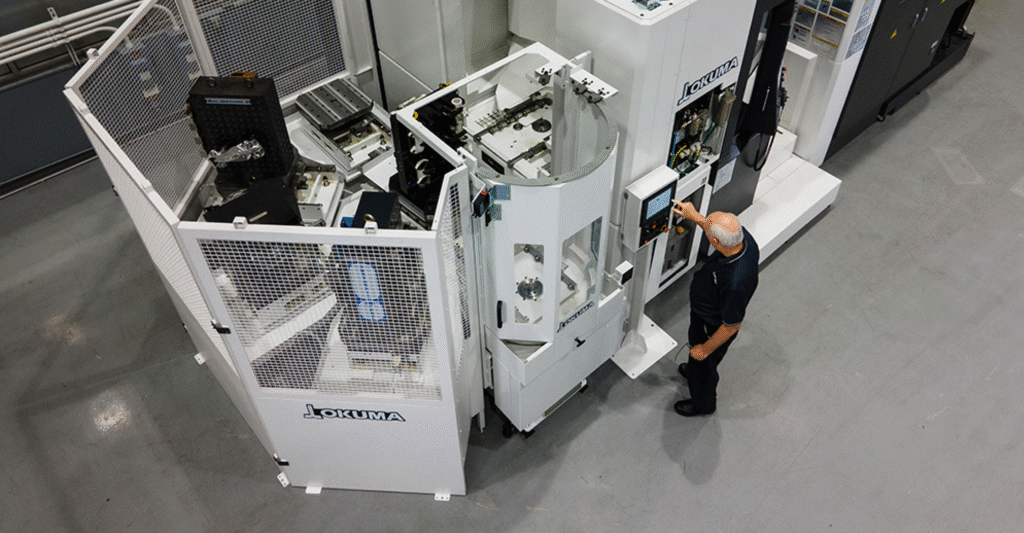
When your Okuma CNC machine experiences unexpected downtime, every minute counts. Manufacturing facilities across North America depend on these precision instruments to maintain production schedules and quality standards. Machine failures can cost thousands of dollars per hour in lost productivity, making rapid, professional repair services critical for operational success.
Exact Machine Service provides comprehensive Okuma CNC machine repair services that get your equipment back online quickly and efficiently. Our certified technicians understand the intricate systems within Okuma machinery and deliver solutions that restore peak performance to your manufacturing operations.
Professional Okuma repair services extend far beyond basic troubleshooting. These sophisticated machines require specialized knowledge of their control systems, servo motors, spindles, and precision components to diagnose issues accurately and implement lasting solutions.
Common Okuma CNC Machine Problems Requiring Professional Repair
Okuma CNC machines face specific challenges that can disrupt manufacturing processes without warning. Servo motor failures frequently occur due to excessive heat, contamination, or bearing wear. These motors control precise positioning and feed rates, making their proper function critical for maintaining dimensional accuracy.
Spindle issues represent another major concern for Okuma operators. High-speed spindles endure tremendous stress during cutting operations, leading to bearing failures, thermal growth problems, and vibration issues. Professional repair teams can rebuild spindles to original specifications, restoring cutting performance and extending operational life.
Control system malfunctions can halt production entirely. Okuma’s sophisticated OSP control systems integrate multiple functions, and component failures within these systems require specialized diagnostic equipment and technical expertise to resolve effectively.
Diagnostic Procedures for Okuma CNC Repair
Accurate diagnosis forms the foundation of effective Okuma CNC machine repair. Professional technicians begin with comprehensive system analysis using manufacturer-specific diagnostic tools. These instruments communicate directly with Okuma control systems to identify fault codes, monitor system parameters, and track performance data.
Mechanical inspections focus on critical wear points including ball screws, linear guides, and spindle assemblies. Precision measurement tools verify positioning accuracy and repeatability, identifying components that have exceeded acceptable tolerance limits.
Electrical system testing examines servo amplifiers, power supplies, and control modules. Specialized test equipment measures voltage levels, current draw, and signal integrity throughout the machine’s electrical systems, pinpointing faulty components that could cause operational failures.
Okuma Spindle Repair and Rebuilding Services
Spindle repair represents one of the most complex aspects of Okuma CNC machine maintenance. These precision assemblies operate at extremely high speeds while maintaining micron-level accuracy. Professional repair facilities disassemble spindles completely, inspecting every component for wear patterns and damage.
Bearing replacement requires specialized tools and clean room environments to prevent contamination. High-precision angular contact bearings must be installed with exact preload specifications to maintain spindle rigidity and thermal stability. Dynamic balancing equipment confirms proper spindle balance after reassembly.
Quality spindle rebuilds include comprehensive testing procedures. Rebuilt spindles undergo rigorous performance evaluations including vibration analysis, thermal testing, and accuracy verification before returning to service.
Servo Motor Repair for Okuma Systems
Okuma servo motors drive machine axes with exceptional precision and speed. Repair procedures begin with complete motor disassembly and component inspection. Stator windings undergo insulation resistance testing and current signature analysis to identify electrical faults.
Rotor assemblies receive thorough examination for magnet integrity and bearing condition. Professional repair facilities can remagnetize rotors when necessary, restoring full torque output and positional accuracy. Encoder repair or replacement maintains precise feedback signals required for accurate positioning.
Motor reassembly follows strict manufacturer specifications for bearing preload, shaft alignment, and electrical connections. Dynamic testing verifies proper operation across the full speed and torque range before motors return to production duty.
Control System Troubleshooting and Repair
Okuma OSP control systems integrate numerous subsystems that must work together seamlessly. Professional repair technicians understand these complex interactions and can isolate problems efficiently. Understanding these 5 common CNC machine problems and solutions helps operators recognize issues before they escalate into major failures.
Power supply modules frequently require attention due to capacitor aging and heat-related failures. CPU boards and memory modules undergo comprehensive testing using specialized diagnostic equipment. Data recovery procedures can salvage critical machine parameters and programs when storage devices fail.
Interface boards connecting control systems to machine components require careful testing and calibration. Signal integrity testing confirms proper communication between control modules and field devices throughout the machine.
Preventive Maintenance Programs for Okuma Machines
Structured preventive maintenance programs significantly reduce emergency repair requirements. Regular inspection schedules identify developing problems before they cause unexpected downtime. Lubrication programs maintain proper fluid levels and cleanliness standards critical for precision operation.
Filter replacement programs protect sensitive components from contamination. Hydraulic filters, air filters, and coolant filtration systems require regular attention to maintain system cleanliness. Professional maintenance teams can establish customized schedules based on operating conditions and production requirements.
Calibration programs verify machine accuracy over time. Regular checks of positioning systems, probe accuracy, and tool measurement systems maintain tight tolerances required for precision manufacturing.
Emergency Repair Response Services
Manufacturing facilities cannot afford extended downtime when critical Okuma machines fail. Professional repair services offer emergency response programs with guaranteed response times. Technicians arrive equipped with common replacement parts and diagnostic equipment to minimize repair delays.
24-hour support hotlines provide immediate technical assistance for urgent problems. Experienced technicians can guide operators through basic troubleshooting procedures and safety protocols over the phone. Remote diagnostic capabilities allow experts to analyze machine data and provide repair guidance from off-site locations.
Loaner equipment programs keep production running during extended repair periods. Critical components like control modules, servo drives, and spindle motors can be temporarily replaced while permanent repairs are completed.
Replacement Parts and Component Sourcing
Authentic Okuma parts maintain machine reliability and performance standards. Professional repair facilities maintain extensive inventories of common replacement components including servo motors, control modules, and mechanical assemblies. Direct relationships with Okuma provide access to current and obsolete parts when needed.
Quality aftermarket alternatives provide cost-effective solutions for certain applications. Experienced technicians can identify suitable alternatives that meet performance requirements while reducing repair costs. All replacement parts undergo thorough testing before installation.
Warranty programs protect repair investments with comprehensive coverage on parts and labor. Extended warranty options provide additional protection for critical manufacturing equipment.
Quality Assurance and Testing Procedures
Professional Okuma repair facilities implement rigorous quality control procedures throughout the repair process. Documentation systems track all work performed, parts replaced, and test results achieved. These records provide valuable information for future maintenance planning and warranty claims.
Performance testing verifies that repaired machines meet or exceed original specifications. Accuracy tests, speed tests, and endurance runs confirm proper operation under actual working conditions. Customer acceptance procedures include comprehensive demonstrations of restored functionality.
Certification programs confirm technician competency and ongoing training. Factory-authorized training keeps repair teams current with latest technologies and procedures. Specialized certifications validate expertise with specific Okuma machine models and control systems.
Cost-Effective Repair Solutions
Professional repair services provide significant cost advantages compared to equipment replacement. Comprehensive repairs typically cost 60-80% less than purchasing new machinery while delivering comparable performance and reliability. Detailed cost analyses help customers make informed decisions about repair versus replacement options.
Modular repair approaches allow customers to prioritize critical systems and spread repair costs over time. Phased repair programs can restore basic functionality quickly while scheduling comprehensive overhauls during planned maintenance windows.
Financing options make major repairs more manageable for manufacturing facilities. Equipment leasing programs and payment plans help spread costs while maintaining cash flow for other operational needs. For detailed cost analysis and budgeting guidance, explore how much CNC repair services cost to make informed financial decisions about your equipment maintenance investments.
Advanced Okuma Machine Technologies and Repair Considerations
Modern Okuma machines incorporate advanced technologies that require specialized repair expertise. Multi-axis machining centers with simultaneous 5-axis capabilities present unique challenges for alignment and calibration procedures. Thermal compensation systems maintain accuracy across temperature variations but require sophisticated testing equipment for proper validation.
Adaptive control systems automatically adjust cutting parameters based on real-time feedback. These systems integrate complex algorithms that professional technicians must understand to diagnose and repair effectively. Tool breakage detection systems and collision avoidance features require precise sensor calibration and software configuration.
High-speed machining capabilities in modern Okuma equipment demand exceptional spindle balance and vibration control. Repair procedures must account for dynamic forces at maximum operating speeds to prevent premature component failure.
Specialized Training and Certification Requirements
Okuma CNC machine repair demands extensive technical knowledge and specialized training. Factory-authorized certification programs provide technicians with comprehensive understanding of Okuma systems and repair procedures. These programs cover electrical systems, mechanical assemblies, control software, and safety protocols.
Ongoing education keeps repair technicians current with evolving Okuma technologies. New machine models incorporate advanced features that require updated repair techniques and diagnostic procedures. Continuous learning programs maintain technician competency across multiple machine generations.
Professional certifications validate technician expertise and provide customers with confidence in repair quality. Certified technicians demonstrate proven ability to diagnose complex problems and implement effective solutions that restore machine performance.
Integration with Manufacturing Operations
Okuma CNC machine repair services must integrate seamlessly with manufacturing schedules and production requirements. Professional repair teams coordinate with production managers to minimize operational disruption. Planned maintenance windows allow for comprehensive repairs without affecting critical production deadlines.
Temporary production alternatives keep manufacturing operations running during extended repair periods. Subcontracting arrangements or alternate routing strategies maintain delivery schedules while primary equipment undergoes repair. Professional service providers can assist with production planning during repair periods.
Communication protocols keep all stakeholders informed throughout the repair process. Regular status updates provide realistic completion timeframes and identify any complications that might affect schedules. Transparent communication builds trust and facilitates effective production planning.
Schedule your comprehensive Okuma CNC machine repair consultation today to restore peak performance to your manufacturing operations.
Industry Standards and Compliance Resources
Professional Okuma repair services adhere to strict industry standards for safety and quality. OSHA workplace safety regulations govern repair facility operations and technician safety procedures. NIST manufacturing standards provide guidelines for precision measurement and calibration procedures used throughout the repair process.
Frequently Asked Questions
How long does a typical Okuma CNC machine repair take? Repair duration varies significantly based on problem complexity and parts availability. Simple servo motor repairs may take 1-2 days, yet complete spindle rebuilds require 7-10 days. Control system repairs typically complete within 3-5 days depending on component availability. Emergency repairs receive priority scheduling to minimize downtime impact. Professional repair facilities provide realistic timeframes based on initial diagnostic results and maintain regular communication throughout the repair process.
Can you repair older Okuma machines that are no longer supported? Yes, experienced repair facilities specialize in maintaining legacy Okuma equipment through component rebuilding and aftermarket solutions. Many older machines can be restored to excellent operating condition using remanufactured parts and updated components. Obsolete control systems can often be repaired using refurbished modules or upgraded to current technology. Documentation and reverse engineering capabilities support repairs on machines dating back decades.
What warranty coverage comes with professional Okuma repairs? Comprehensive warranty programs typically cover parts and labor for 90 days to one year depending on repair complexity. Rebuilt spindles and servo motors often include extended warranties reflecting the extensive work performed. Warranty coverage includes return shipping and on-site service when required. Some facilities offer extended warranty options for additional protection and peace of mind.
How do you determine if a machine should be repaired or replaced? Cost-benefit analysis considers repair costs, expected remaining service life, and production requirements. Machines requiring repairs exceeding 50-60% of replacement cost may warrant replacement consideration. Age, condition of non-repaired components, and availability of updated technology factor into recommendations. Professional assessments provide detailed analysis helping customers make informed decisions about their equipment investments.
Do you provide on-site repair services for Okuma machines? Many repair facilities offer on-site service for situations where machine removal is impractical or impossible. Field service capabilities include diagnostic equipment, common replacement parts, and experienced technicians. Some repairs require specialized equipment available only at repair facilities, necessitating component removal. Hybrid approaches combine on-site diagnosis with facility-based component repair to minimize downtime and transportation costs.